把养生,过成日常 Make Wellness a Way of Life
推拿、拔罐、气功、太极拳——四种老祖宗传下来的养生法,这里用大白话讲清楚,方便你挑着学、挑着练。 Tuina, cupping, qigong, and tai chi — four time-honored approaches to natural wellness, explained in plain language so you can pick and practice what fits you.
推拿、拔罐、气功、太极拳——四种老祖宗传下来的养生法,这里用大白话讲清楚,方便你挑着学、挑着练。 Tuina, cupping, qigong, and tai chi — four time-honored approaches to natural wellness, explained in plain language so you can pick and practice what fits you.
用双手在体表施行手法,疏通经络、放松筋骨的日常外治法。A daily external therapy using hands-on techniques to unblock meridians and relax muscles and joints.
推拿,古称「按跷」「导引按跷」,是中医最古老的外治疗法之一,距今已有两千多年历史。操作者运用推、拿、按、摩、揉、捏、点、拍等手法,在体表特定部位施加有序刺激,以疏通经络、行气活血、调整脏腑、滑利关节。它不靠药物,靠的是双手与对人体结构的理解,被称为「以人疗人」的绿色疗法。 Tuina, known in antiquity as "anqiao" or "daoyin anqiao," is one of the oldest external therapies in Chinese medicine, with a history of over two thousand years. The practitioner applies orderly stimulation — pushing, grasping, pressing, rubbing, kneading, pinching, pointing, tapping — to specific areas, unblocking meridians, moving qi and blood, regulating the organs, and loosening joints. With no drugs involved, it is a "hands-on, person-to-person" green therapy rooted in an understanding of body structure.
最早文字记载见于《黄帝内经》;隋唐设「按摩科」,明清形成小儿推拿等专科。近代与解剖、运动医学结合,发展出软组织松解、关节调整等现代技法。Its earliest written record appears in the Huangdi Neijing (Yellow Emperor's Inner Canon); the Sui–Tang era established a "massage department," and the Ming–Qing period saw specialties such as pediatric tuina. Modern tuina integrates anatomy and sports medicine, developing soft-tissue release and joint-mobilization techniques.
以经络学说与气血理论为基础——经络如网络,气血如江河;手法刺激穴位与经络,推动气血运行。同时强调「筋骨并重」,既放松肌肉,也调整关节力线与体态。Built on meridian and qi-blood theory — meridians are a network, qi and blood are rivers; manual stimulation of points and channels promotes circulation. It also stresses "sinew and bone together": relaxing muscle while realigning joints and posture.
久坐导致的颈肩腰背痛、运动后肌肉疲劳与恢复、亚健康与失眠焦虑的放松调理、老人关节活动度维护,以及小儿常见不适的辅助调理(小儿推拿)。Neck/shoulder/lower-back pain from prolonged sitting; post-exercise fatigue and recovery; relaxation for sub-health, insomnia, and anxiety; maintaining joint mobility in the elderly; and supportive pediatric care (pediatric tuina).
力度以「酸胀舒适、不刺痛」为度;单次 20–40 分钟为宜;频次依情况每周 2–3 次或按需;环境温暖安静,操作后避风寒、适量饮水。治疗师先详细诊断具体问题,再制定针对性方案。推拿聚焦于特定疼痛部位、穴位经络、肌肉及关节的调理——先辨证,后下手。Pressure should feel "comfortably sore, not painful"; a session of 20–40 minutes; frequency about 2–3 times weekly or as needed; a warm, quiet setting; avoid wind/cold afterward and drink water. The therapist usually examines the specific problems first, then applies a corresponding specific treatment protocol. The major focus is on specific pain sites, acupressure points, energy meridians, muscles, and joints — diagnose first, treat second.
小贴士:Tip: 推拿是「调理」而非「治疗急症」;找受过系统训练的人员操作更稳妥;自我保健可学简单的揉按与伸展,但务必避开颈椎暴力旋转。Tuina is "regulation," not emergency treatment; a systematically trained practitioner is safer. For self-care, learn gentle rubbing and stretching, but never use violent neck rotation.
以负压吸附体表,造成局部瘀血,达到通经活络、祛风散寒的作用。Suction cups create negative pressure on the skin to promote circulation and dispel wind-cold.
拔罐是以罐为工具,利用燃烧、抽气或蒸汽等方法排出罐内空气,形成负压,使罐吸附于体表,造成局部充血或瘀血,从而达到通经活络、行气活血、消肿止痛、祛风散寒的作用。它常与推拿、针灸配合,是民间流传极广的养生外治法。 Cupping uses a cup as a tool; by burning, pumping, or steaming out the air, negative pressure is created so the cup adheres to the skin, causing local congestion or petechiae. This unblocks meridians, moves qi and blood, reduces swelling and pain, and dispels wind-cold. Often paired with tuina and acupuncture, it is one of the most widely used folk external therapies.
负压使皮下毛细血管轻度扩张甚至微小破裂,形成瘀斑;局部组织充血促进新陈代谢与废物排出;同时牵动筋膜,放松深层软组织。Negative pressure mildly dilates or micro-ruptures surface capillaries, forming petechiae; local congestion boosts metabolism and waste removal, while also tractioning fascia to relax deep tissue.
肩背酸痛、受寒后肌肉紧绷、感冒初期的恶寒身痛、疲劳与湿气重感、以及运动后的恢复。Shoulder/back soreness, cold-induced muscle tightness, early-cold chills and body aches, fatigue and a "heavy-damp" feeling, and sports recovery.
一般留罐 5–15 分钟;以皮肤潮红至紫红、自觉温热抽吸感为度,避免起泡。罐印颜色深浅并不等于「毒素多少」,数日可自行消退。Usually 5–15 min; aim for skin flushed to purplish with a warm pulling sensation, avoiding blisters. Mark color does not mean "how much toxin"; it fades in days.
拔罐后毛孔张开,2–3 小时内忌冷水澡、忌直吹冷风;注意保暖、适当休息;罐印未消前不宜在同一部位重复拔罐。Pores stay open after cupping — avoid cold showers and direct wind for 2–3 hours; keep warm, rest, and don't re-cup the same spot until marks fade.
小贴士:Tip: 拔罐是辅助调理,不是「排毒神器」;频次不宜过密,同一部位建议间隔 5–7 天;出现水泡、烫伤或明显不适,应停止并咨询专业人士。Cupping is supportive, not a "detox miracle"; don't overdo frequency — space sessions 5–7 days on the same area; stop and consult a professional for blisters, burns, or discomfort.
调身、调息、调心三调合一,练的是松静与自然。Unifying body, breath, and mind — practicing relaxation, calm, and naturalness.
气功是调身(姿势形体)、调息(呼吸)、调心(意念)「三调合一」的传统养生锻炼方法。它通过有序地放松形体、调和呼吸、安定精神,促进气血调和、脏腑安和、身心放松。八段锦、五禽戏、易筋经、六字诀等都是其代表性功法。 Qigong unifies the "three adjustments" — body (posture), breath, and mind (intent). Through orderly relaxation, breath regulation, and mental calm, it harmonizes qi and blood, settles the organs, and relaxes body and mind. Baduanjin, Wuqinxi, Yijinjing, and the Six Healing Sounds are representative forms.
松静自然为总纲;不憋气、不努气;不刻意追求「气感」「光感」等异样觉受;用意轻淡,循序渐进,功到自然成。"Relaxed, calm, natural" is the principle; don't hold or force the breath; don't chase unusual sensations like "qi flow"; keep intent light and progress gradually.
长期久坐、压力大、睡眠差、慢性疲劳、呼吸浅短、情绪易紧张者;也常作为慢病康复的辅助调养。Those who sit long, feel stressed, sleep poorly, are chronically tired, breathe shallowly, or are easily tense; also used as adjunct care in chronic-condition recovery.
清晨或傍晚空气清新时为宜;场地安静、避风、平整;衣着宽松;饭后约 1 小时再练,过饥过饱不宜。Best at dawn or dusk in fresh air; a quiet, wind-sheltered, even spot; loose clothing; practice about 1 hour after meals, never too hungry/full.
小贴士:Tip: 气功重「养」不重「炫」;初学跟可靠老师入门,避免盲修暗练、用意过强导致偏差;把它当作每天 15–30 分钟的身体重启。Qigong is about "nourishing," not showing off; learn from a reliable teacher to avoid strain from over-intent; treat it as a 15–30 minute daily reset.
缓慢、连贯、圆活,强调用意不用力、虚实分明、连绵不断。Slow, continuous, and circular — emphasizing mind over force, clear weight shifts, and unbroken flow.
太极拳是中国传统武术与养生运动的代表,集技击、健身、修心于一体。它动作缓慢、连贯、圆活、轻柔,强调「用意不用力、虚实分明、上下相随、连绵不断」。长期练习可改善平衡、柔韧、力量与心神安定,被誉为「运动中的冥想」。 Tai chi is a representative Chinese martial art and wellness practice combining self-defense, fitness, and meditation. Movements are slow, continuous, circular, and soft, emphasizing "mind over force, clear empty/solid, upper-lower together, unbroken flow." Long-term practice improves balance, flexibility, strength, and calm — often called "meditation in motion."
相传源于明末,由陈王廷等人集前人拳法创陈式;后衍生杨、武、吴、孙及和式等流派。各派风格不同,或刚或柔,但核心要领相通。Traced to the late Ming dynasty, Chen Wangting synthesized earlier arts into Chen style; later arose Yang, Wu, Wu (Hao), Sun, and He styles. Styles differ in hardness/softness yet share the same essentials.
改善平衡与本体感觉,降低老年人跌倒风险;增强下肢力量与关节活动度;缓和有氧运动有益心肺;专注动作有助于减压、改善睡眠与情绪。Improves balance and proprioception, lowering fall risk in seniors; builds lower-body strength and joint mobility; gentle aerobic benefit for heart and lungs; focused movement reduces stress and aids sleep and mood.
从国家推广的「简化太极拳」(8 式、24 式)或各派基础套路起步;跟师学动作规范,重点在松、慢、圆、连;每天 20–30 分钟,贵在坚持。Start with the standardized simplified forms (8- or 24-form) or a school's basics; learn proper form from a teacher, focusing on looseness, slowness, roundness, continuity; 20–30 minutes daily, consistency matters most.
膝盖始终对准脚尖第二趾方向、不超过脚尖;重心转换平稳、虚实分清;动作由意念引领、松柔连贯;呼吸自然,不憋气。Knees track the second toe and stay behind the toes; smooth, distinct weight shifts; movement led by intent, soft and continuous; breathe naturally, no holding.
小贴士:Tip: 太极「慢即是快」——先把动作做对做松,再求连贯;别和别人比花样,和自己比稳定。公园里跟队练是不错的入门方式。In tai chi, "slow is fast" — get the movement correct and relaxed before seeking flow; don't compete on fancy forms, compete with your own steadiness. Joining a park group is a fine way to start.
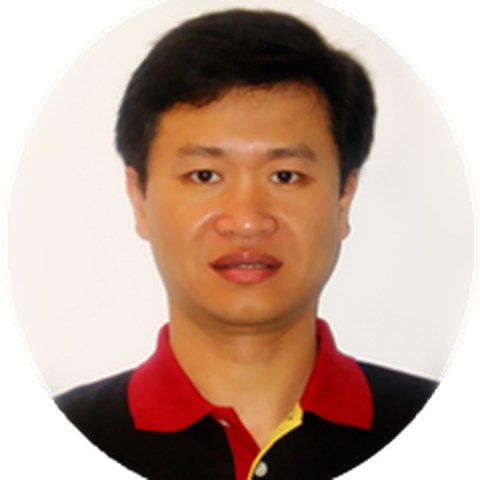
William Tang 是一名持证按摩治疗师,拥有超过 30 年临床经验,擅长中医推拿、指压疗法、运动按摩、激痛点疗法、肌筋膜松解、深层组织按摩、放松按摩及足反射疗法。 Mr. William Tang is a licensed massage therapist with more than 30 years of experience in Tui Na (Manipulation Therapy), Acupressure Therapy, Sports Massage, Trigger Points Therapy, Myofascial Release, Deep Tissue Massage, Relaxation Massage, and Reflexology.
唐先生毕业于上海中医药大学,在中国担任中医师 11 年。目前在马萨诸塞州多家专业医疗机构担任持证按摩治疗师。其独特的治疗性按摩技术使他在同类从业者中脱颖而出,获得了极高的评价。 Mr. Tang graduated from Shanghai University of Traditional Chinese Medicine. He was a Traditional Chinese Medicine Doctor in China for 11 years. In Massachusetts, Mr. Tang works as a licensed massage therapist in different health professional facilities. His unique skills in therapeutic massage set himself apart from others and have earned him high evaluations.